
If you’ve ever been chatting with someone online and suddenly saw the term MIA you might have paused and wondered what it actually means.
Is it slang Is it serious Is it something you should be worried about?
Don’t worry you’re not alone. Internet slang changes fast, and new abbreviations pop up all the time.
In this guide, we’ll break down exactly what MIA means in chat, how people use it in texts and social media, and how you can use it naturally in your own conversations.
Let’s keep it simple, clear, and practical.
What Does MIA Mean in Chat?
In texting and online conversations, MIA stands for “Missing In Action.”
Originally, it comes from military language. It was used to describe soldiers who were unaccounted for during combat. But in modern digital communication, the meaning is much more casual.
In chat, “MIA” usually means:
- Someone has disappeared
- Someone hasn’t replied in a while
- Someone has been inactive or quiet
It’s not serious or alarming in most cases—it’s just a light way of saying, “Hey, where did you go?”
Simple Examples of MIA in Texting
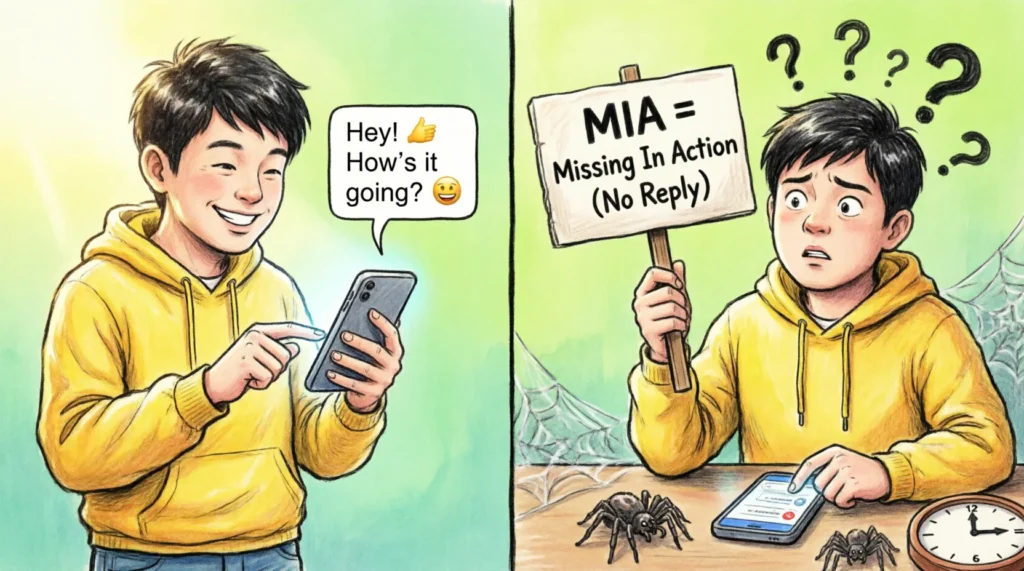
Here are some everyday examples to help you understand how people actually use “MIA”:
- “You’ve been MIA all day. Everything okay?”
- “Sorry I went MIA yesterday, I was busy.”
- “Why are you MIA in the group chat?”
- “He’s been MIA since the weekend.”
As you can see, it’s usually used in a casual and friendly way.
Why Do People Say MIA?
People use “MIA” because it’s:
- Short and quick to type
- Easy to understand (once you know it)
- Slightly playful instead of serious
Instead of saying:
“You haven’t replied in a long time”
They just say:
“You’ve been MIA”
It sounds lighter and more natural in digital conversations.
Different Situations Where MIA Is Used
“MIA” can fit into many different types of chats. Let’s go through the most common ones.
1. When Someone Stops Replying
This is the most common use.
Example:
- “Bro, you went MIA mid-conversation 😂”
This usually happens when someone disappears during a chat without explanation.
2. When Someone Is Offline for a Long Time
If someone hasn’t been active on social media or messaging apps, people might say they’ve been MIA.
Example:
- “She’s been MIA on Instagram lately.”
3. Apologizing for Being Absent
People often use it to explain their own absence.
Example:
- “Sorry I’ve been MIA, work has been confused.”
This makes the apology sound more casual and friendly.
4. Joking Around With Friends
“MIA” is often used humorously.
Example:
- “You disappear like you’re in a movie… always MIA 😄”
Is MIA Always Casual?
Most of the time, yes. But context matters.
Casual Use (Most Common)
- Friendly conversations
- Social media posts
- Group chats
Slightly Serious Use (Rare in Chat)
If someone says:
- “He’s been MIA for days and not answering calls”
That might suggest concern.
Still, in texting culture, it’s usually not serious.
MIA on Social Media
You’ll see “MIA” a lot on platforms like:
- Snapchat
- Twitter/X
- TikTok comments
Common Social Media Uses
1. Captions:
- “Went MIA for a bit, but I’m back 💫”
2. Stories:
- “Sorry for being MIA, life got busy.”
3. Comments:
- “Why you been MIA lately?”
It’s especially popular when someone returns after being inactive.
MIA vs Other Similar Slang
There are other phrases that mean something similar. Here’s how they compare:
1. Ghosted
- Means someone disappeared intentionally, often in dating
- More negative
Example:
- “He ghosted me.”
👉 “MIA” is softer and less harsh.
2. AFK (Away From Keyboard)
- More common in gaming
- Means temporarily not available
Example:
- “I’m AFK for 10 mins.”
👉 “MIA” usually suggests a longer or unexpected absence.
3. Offline
- Very basic and neutral
Example:
- “He’s offline.”
👉 “MIA” adds a bit of personality and emotion.
When Should You Use MIA?
You can use “MIA” in many situations, but here are some tips to use it naturally:
Good Times to Use It
- Talking to friends
- Casual conversations
- Social media posts
- Group chats
Avoid Using It When
- Writing formal emails
- Professional communication
- Talking about serious situations
For example, don’t write:
“The manager has been MIA.”
That could sound unprofessional.
Tone and Feeling Behind MIA
“MIA” usually carries a light tone. It can express:
- Curiosity → “Where did you go?”
- Playfulness → “You disappeared again!”
- Mild concern → “Hope everything’s okay”
But it rarely sounds aggressive or rude.
How to Reply If Someone Calls You MIA
If someone says you’ve been MIA, here are some easy replies:
Casual Replies
- “Haha yeah, I’ve been busy 😅”
- “My bad, I went MIA for a bit.”
- “I’m back now!”
Slightly More Honest Replies
- “Just needed a break from everything.”
- “Work has been overwhelming lately.”
No need to overthink it—keep it simple.
Is MIA Popular in 2026?
Yes, “MIA” is still widely used and understood.
Even though new slang keeps emerging, this one has stayed popular because:
- It’s easy to remember
- It works in many situations
- It’s been around long enough to feel familiar
It’s one of those terms that doesn’t really go out of style.
Common Mistakes People Make
Here are a few mistakes beginners sometimes make:
1. Thinking It’s Serious
Some people assume “MIA” means something dangerous.
👉 In chat, it’s almost always casual.
2. Using It in Formal Writing
Avoid using slang like this in:
- Job emails
- Academic work
- Professional messages
3. Misreading the Tone
If someone says:
“You’ve been MIA”
They’re usually not upset—just curious or joking.
Fun Variations and Creative Uses
People sometimes get creative with “MIA”:
- “Went full MIA mode”
- “Certified MIA person”
- “Stop going MIA on me 😭”
It can be playful and expressive depending on how it’s used.
Quick Summary
Let’s wrap it up in a simple way:
- MIA means “Missing In Action”
- In chat, it means someone disappeared or hasn’t replied
- It’s casual, friendly, and widely used
- You’ll see it in texts, group chats, and social media
- It’s not usually serious
Final Thoughts:
Internet slang can feel confusing at first, but once you learn a few key terms like MIA everything starts to make more sense.
The next time someone says you’ve been MIA, don’t panic it just means you’ve been quiet or offline for a while.
And if you’ve been ignoring messages we’ve all done it it’s an easy, lighthearted way to explain yourself.
Understanding small terms like this helps you stay connected, communicate better, and feel more confident in online conversations.
If you’re curious about more slang terms or want help understanding other texting abbreviations, just ask.

Tira is a passionate and creative content writer with over 5 years of experience in crafting engaging, reader-friendly, and SEO-optimized content. As the voice behind Meonra.com, she specializes in delivering high-quality articles that blend clarity, creativity, and value for modern readers.